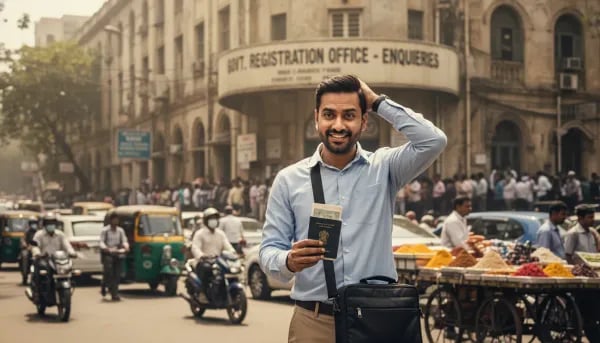
How is it moving back to India from abroad? Honest confessions reveal a journey filled with both rewarding moments and unexpected challenges. Returning after a decade abroad, the transition felt like stepping into a complex blend of familiarity and change. Leaving behind a high-paying job in New York for Indore raised many questions, but it also brought a renewed connection to family and culture. Yet, navigating the job market proved slower and more frustrating than anticipated, with financial growth taking longer to achieve despite comparable skills. The work culture and daily bureaucracy required a patience that was unfamiliar after the streamlined systems abroad. Networking in a tier-2 Indian city initially felt isolating, contrasting sharply with the vibrant startup scene experienced overseas. These honest confessions highlight the realities many face when readjusting to life in India, grounding both the struggles and the gradual adaptation.
Did You Know?
Nearly 60% of returnees to India from abroad report facing significant cultural and professional adjustment challenges in their first year back.
Source: Global Expat Survey 2023
The Decision to Move: Why I Left the US
After spending several years in the US, particularly in New York, I made the significant decision to move back to India. This choice surprised many around me since I left behind a stable, well-paying job with a salary exceeding $100,000. The driving force behind this move was deeply personal: a yearning to reconnect with my family and embrace my cultural roots. Being closer to loved ones and immersing myself in the Indian way of life held an emotional appeal that outweighed financial gains.
However, the transition was not purely sentimental. Financial considerations played a critical role in shaping my experience after returning. Although I possessed the same skills and experience cultivated abroad, the earning potential in India was markedly lower. The reality of a slower, more complex job market often meant delayed financial growth, compelling me to reconsider traditional employment avenues.
Another layer to the decision was adapting to the markedly different work culture. Bureaucratic hurdles, slower processes, and a less streamlined professional environment contrasted sharply with my experiences in the US. Simple daily activities—like navigating traffic or dealing with customer service—required much more patience, highlighting the cultural and operational gaps.
Moreover, rebuilding my professional network proved challenging. Unlike the US, where opportunities for networking were abundant and accessible, India, especially a tier-2 city like Indore, posed difficulties. Suspicion and limited startup ecosystems made meaningful connections harder to establish. Despite these hurdles, I embraced this journey to share my honest confessions about how is it moving back to India from abroad.
Family Bonds
Reconnecting with loved ones was a central motivation for moving back.
Cultural Roots
A deep desire to reconnect with Indian heritage influenced the decision.
Financial Realities
Lower earning potential in India compared to the US posed challenges.
Work Culture Differences
Adjusting to a different work environment and bureaucracy in India.
Networking Challenges
Building professional connections took more effort in India.
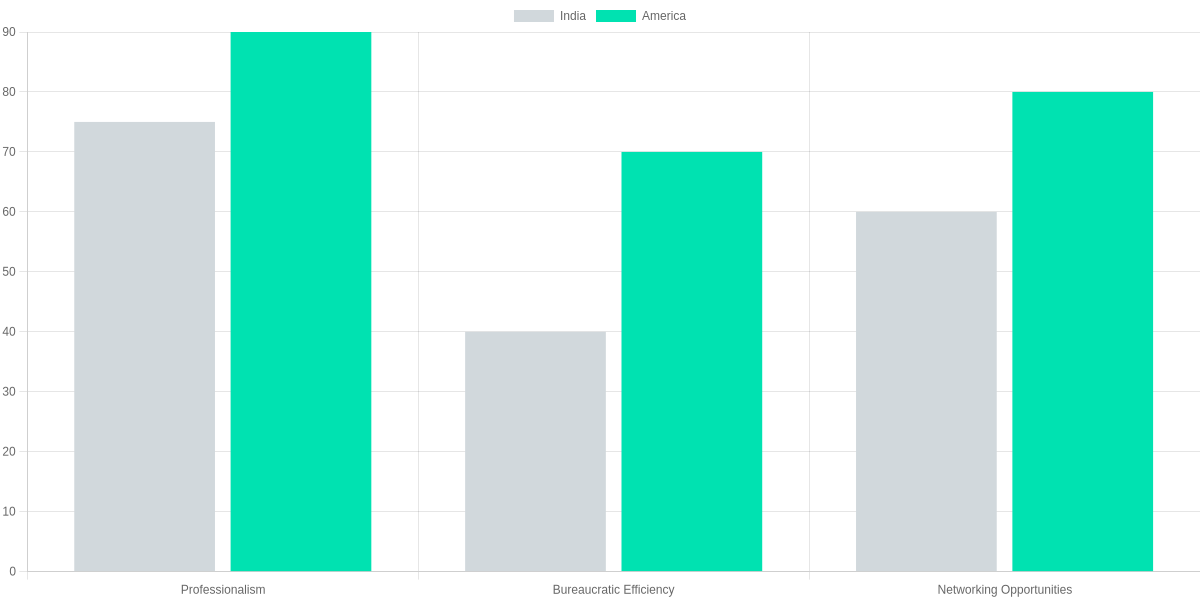
Comparing Work Culture: India vs. America
Returning to India after working in the United States reveals striking contrasts in work culture, especially in professionalism, bureaucracy, and networking. In America, the work environment tends to be highly structured and driven by clear, professional standards. Schedules, deliverables, and formal communication channels are rigorously maintained, promoting efficiency and accountability.
By contrast, Indian workplaces, particularly in tier-2 cities like Indore, often exhibit a more flexible approach to professionalism. While this can foster adaptability, it sometimes leads to unpredictability in timelines and expectations. For someone accustomed to the US model, such fluidity may at times feel like a challenge to maintain strict discipline in work practices.
One of the most palpable differences lies in bureaucratic hurdles. The US workplace typically benefits from streamlined processes and digitized systems that minimize delays. For instance, engaging with government offices or regulatory compliance is predictable and swift, supported by technologies like online portals and efficient customer service.
India, however, continues to grapple with a more complex and often opaque bureaucracy. Navigating administrative tasks or resolving simple issues can require a high degree of patience due to legacy systems and procedural redundancies. Although initiatives like the Unified Payments Interface (UPI) and digital governance platforms have initiated progress, the everyday experience involves more friction than what many returning professionals expect.
Networking further highlights cultural nuances. In America, especially in cities like New York, professional networking thrives on openness and accessibility. Attending startup events, joining LinkedIn groups, and cold emailing peers often leads to meaningful conversations and collaborations. The culture encourages outreach and merit-driven connections regardless of prior familiarity.
Conversely, networking in India is deeply relationship-driven and can initially seem insular to outsiders. Building trust frequently necessitates personal introductions and time investment, particularly in smaller cities. Suspicion toward strangers reaching out uninvited may hinder spontaneous networking, requiring a more deliberate and patient approach to cultivate professional relationships.
Despite the structural differences, both environments offer valuable lessons. India’s evolving corporate landscape is gradually incorporating best practices from global workplaces while preserving its unique social dynamics. Professionals moving back must balance these aspects—embracing the warmth and flexibility of Indian culture while navigating bureaucratic challenges and more traditional networking styles.
Work Culture Differences
Exploring professionalism, bureaucracy, and networking in India and America.
- ✓ Professionalism: Structured vs. Flexible
- ✓ Bureaucracy: Streamlined vs. Complex
- ✓ Networking: Open vs. Relationship-driven
Navigating the Job Market in India
Returning to India after working abroad often brings a stark contrast in salary landscapes. For example, while I earned over $100,000 in the US, salaries in India—even for similar roles and skill sets—are substantially lower. This disparity is a critical factor to understand for anyone planning their career here. India's job market can be slow and requires patience, particularly in tier-2 cities like Indore where opportunities are fewer and networking is more challenging.
Networking abroad, especially in places like New York, had been straightforward through startup events and cold outreach. Back in India, establishing meaningful connections often meets skepticism and requires persistence. Leveraging local networks and nurturing relationships gradually becomes indispensable for growth.
Work culture in India varies greatly from the US. It often involves bureaucratic delays and can feel less professional or streamlined. Processes like government paperwork, customer service, and daily logistics demand patience and adaptability. However, the expanding digital infrastructure, including platforms like UPI, is improving efficiency and creating new avenues for job seekers and entrepreneurs alike.
In light of these challenges, exploring non-traditional career paths such as freelancing or entrepreneurship can be a viable strategy. These paths may help bypass slow financial progression typical in conventional employment within India’s current job market setup.
Digital platforms play an essential role in navigating the Indian job market. Popular job portals like Naukri.com, LinkedIn India, and AngelList India each offer unique advantages. Naukri.com boasts a vast user base and a broad range of job listings, LinkedIn India excels in professional networking and multinational roles, while AngelList India focuses on startup opportunities. Choosing the right platform depending on career goals and industry focus is crucial for efficient job hunting.
Personal Relationships and Social Dynamics
Moving back to India after years abroad brings a whirlwind of emotions and adjustments in personal relationships. One of the most rewarding aspects is rekindling bonds with family. Spending quality time and engaging more deeply with loved ones can restore connections and provide emotional support during the transition.
However, maintaining friendships from abroad or even those in your hometown can be challenging. The physical distance, changed circumstances, and differing lifestyles often create a gap. Consistent effort through calls, messages, or meet-ups is essential to nurture these relationships, preventing them from fading away.
Adapting to cultural norms is another important facet. Even after being born and raised in India, the time spent abroad subtly changes one’s outlook, behavior, and expectations. Readjusting to local social etiquettes and communication styles requires conscious effort to fit smoothly back into everyday interactions.
Participating in community events and local gatherings plays a crucial role in this cultural re-adjustment. Whether it's neighborhood get-togethers, festivals, or casual meet-ups, these occasions help build new social bonds and foster a sense of belonging in the environment, especially in tier-2 cities like Indore where social networks may initially feel limited.
Open communication remains key throughout this process. Sharing your challenges and experiences with both family and friends can promote understanding and empathy. It bridges the gap between your previous international life and current reality, easing potential tensions and reinforcing support systems essential for a smooth transition.
Key Steps to Managing Personal Relationships After Moving Back to India
Rekindle Family Bonds
Spend quality time and engage deeply with family members to strengthen connections.
Nurture Old Friendships
Reach out consistently to maintain and revive friendships from before the move.
Adapt to Cultural Norms
Readjust to local social etiquettes and cultural expectations to fit in smoothly.
Embrace Community Events
Participate in local gatherings to build new social networks and feel grounded.
Communicate Openly
Share your experiences and challenges with friends and family to foster understanding.
Challenges and Frustrations: The Not-so-Glamorous Side
Returning to India after years abroad confronts many with a reality far different from expectations. One of the first daily hurdles is navigating the traffic and infrastructure, especially outside major metros. In Indore, a tier-2 city, the chaos on roads is palpable. Traffic jams are routine, making commute times unpredictable and often frustrating. Unlike the organized grid systems I experienced in New York, here road conditions can range from potholed streets to congested lanes with a mix of vehicles competing for space. Public transportation, though improving, still lacks the convenience and frequency that many foreigners are used to, leading to reliance on private vehicles or auto rickshaws.
Customer service presents another dimension of challenge. The efficiency and professionalism I encountered abroad contrast sharply with many service interactions here. Long waiting times, unclear procedures, and a general sense of bureaucratic sluggishness are common grievances. Whether dealing with government offices, banks, or even private service providers, patience often becomes a vital skill. While initiatives like the Unified Payments Interface (UPI) signal progress toward smoother digital interactions, in-person dealings can still be tedious and testing.
These frustrations are compounded by a cultural expectation to tolerate delays and inefficiencies. For someone stepping into this environment from a more streamlined system, it requires a significant adjustment in mindset. Daily life demands a kind of patience and resilience that is not often highlighted but is essential for maintaining sanity. The frequent need to negotiate, reiterate requests, or simply wait can feel draining, especially for those used to quick resolutions.
Despite these challenges, understanding and accepting these realities can help smooth the transition. Recognizing that infrastructure is improving and that there is an evolving service ecosystem tempered by local nuances can foster a more grounded perspective. However, it’s clear that moving back to India from abroad is not always a seamless or glamorous experience.
Traffic and Infrastructure Issues
Moving back to India often means confronting chaotic traffic patterns and underdeveloped infrastructure, especially in tier-2 cities like Indore.
- • Daily commutes can be unpredictable and time-consuming.
- • Road conditions vary drastically, impacting travel safety and comfort.
- • Public transport options may be limited or overcrowded.
Customer Service Experiences
Customer service in India can be a mixed bag, sometimes frustrating due to bureaucracy and inefficiency.
- • Long waiting times and slow problem resolution are common.
- • Service attitude can feel less professional compared to abroad.
- • Patience is essential when dealing with local offices and service providers.
Tips for a Successful Transition Back to India
Preparing mentally and emotionally is the cornerstone of adjusting to life in India after living abroad. It helps to acknowledge that cultural and professional landscapes differ significantly. Tools like Headspace for mindfulness can ease anxiety during this phase.
Building a professional network is essential, especially outside major metros. Platforms like LinkedIn remain valuable, but local events in tier-2 cities may require more persistence. Engaging with startup communities or coworking spaces such as 91springboard can create meaningful connections.
Embracing cultural aspects is equally important. India’s rich traditions and social dynamics shape daily interactions. Being open and patient in situations involving bureaucracy or slower service will reduce frustration. Apps like Paytm and UPI have simplified routine payments, making adaptation easier.
Important Insight
Mental preparation and proactive networking are crucial for easing back into India's unique cultural and professional landscape.
Frequently Asked Questions
Moving back to India from abroad brought many unexpected experiences. The biggest surprises were the slower pace of financial growth and navigating bureaucratic hurdles, quite different from the streamlined systems I was used to in the US. Additionally, building a professional network was more challenging, especially in a tier-2 city like Indore.
The lifestyle change was significant. While my daily routine became more family-oriented and emotionally fulfilling, I had to adjust to persistent issues like heavy traffic and a work culture that often lacks the professionalism common in the US corporate environment.
For those considering a similar move, my advice is to remain patient and set realistic financial goals. Harness the benefits of India’s digital innovations such as UPI for ease in transactions. Focus on cultivating genuine local connections rather than relying on cold emails or formal networking events. Embracing the cultural richness and family bonds can greatly soften the challenges encountered.
What were your biggest surprises moving back to India? ▼
How has your lifestyle changed since returning? ▼
What advice would you give to others considering a similar move? ▼
Conclusion
How is it moving back to India from abroad? Honest confessions reveal a journey filled with mixed emotions and practical challenges. Returning to Indore after a decade in New York brought the joy of reconnecting with family but also highlighted financial and professional setbacks. The salary gap and slower career growth compared to the US were undeniable realities. Yet, the evolving digital infrastructure, like UPI, offers promising progress. Networking in a tier-2 city proved difficult, requiring persistence and patience, but eventually opened doors.
Overall, resilience and adaptability emerge as crucial. Moving back to India demands balancing expectations with realities, but it offers unique opportunities for personal growth and contribution to an evolving ecosystem. For those considering this path, honest reflections like these provide valuable insight and encourage a well-prepared approach to such a life-changing transition.
🎯 Key Takeaways from Moving Back to India
- → Returning to India brings a mix of emotional warmth and professional challenges.
- → Financial growth may be slower compared to abroad, but resilience is key.
- → Networking can be tough in tier-2 cities but persistence pays off.
- → India's digital and cultural landscape is evolving positively.
- → Honest conversations help others prepare for this life-changing move.